
Can Custom Acrylic Badges Truly Outperform Metal Pins for Q4 Events?
As brands, event organizers, and merchandising directors finalize their procurement plans for the late 2026 conference and holiday season, an essential strategic question surfaces: can modern custom acrylic badges deliver genuine brand prestige without the prohibitive cost and rigid production timelines of traditional die-struck metal?
Strategic Market Trends: Customer Badge Demand Analysis
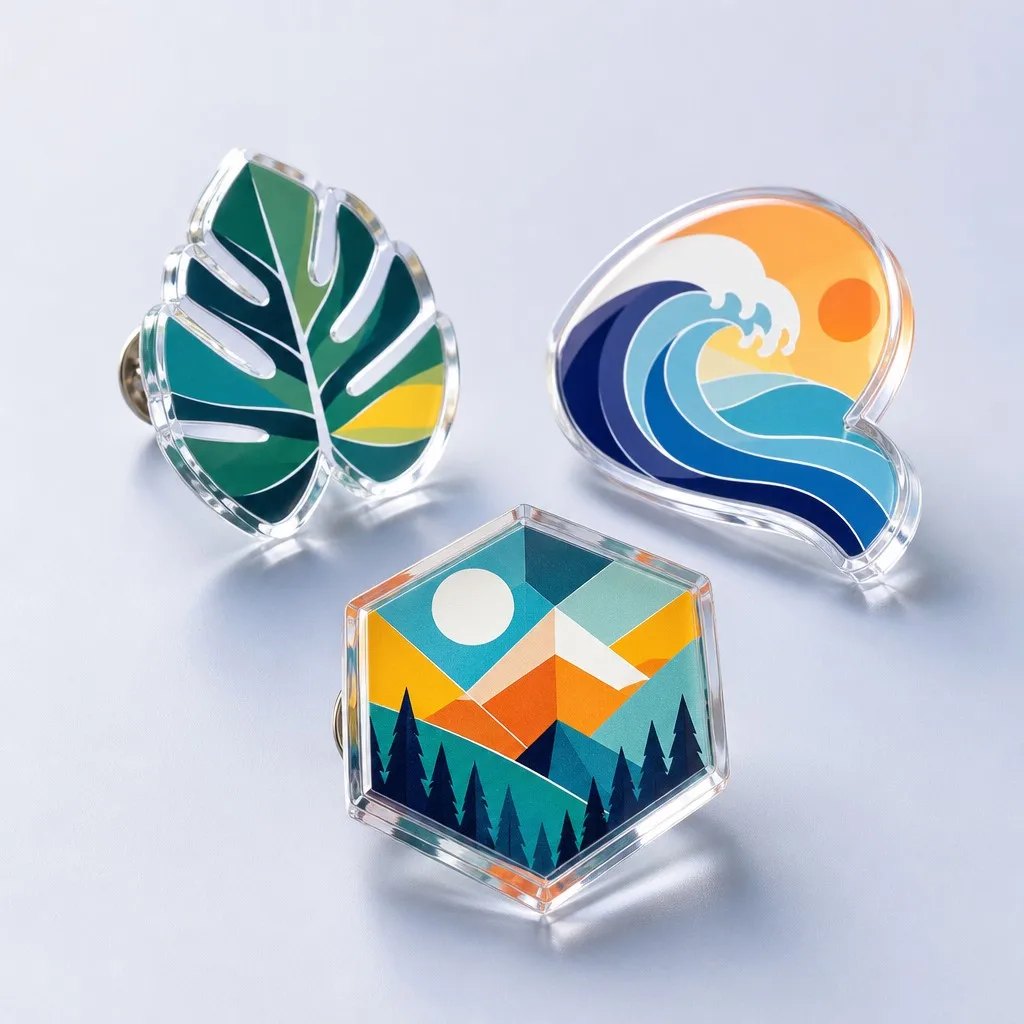
Throughout recent corporate sourcing cycles, promotional procurement has seen a steady upward trend toward versatile polymer merchandise. In a rigorous customer badge demand analysis, commercial buyers consistently evaluate three critical parameters before committing their marketing budgets: perceived product value, surface durability under daily wear, and supply chain responsiveness.
Historically, promotional pin badges relied almost exclusively on heavy zinc alloy or stamped iron with liquid enamel fills. While metal conveys undeniable heft, modern campaign rhythms—characterized by fast-turnaround product launches, limited-edition creator drops, and regional pop-up events—frequently clash with metal manufacturing realities. Expensive custom mold setup fees, multi-week tooling lead times, and steep minimum order thresholds make metal ill-suited for agile testing.
Resolving Buyer Doubts: Surface Protection and Aesthetic Durability
The most common hesitation voiced by international procurement specialists is: "Will clear acrylic pin badges scratch, fade, or lose their optical shine over time?"
Material innovation has effectively resolved this concern through advanced sandwich-style fabrication. Rather than printing directly onto an exposed exterior surface, high-resolution UV pigments are permanently encapsulated between two fused sheets of optical-grade polymethyl methacrylate (PMMA). This enclosed architecture acts as an impermeable barrier against surface friction, moisture ingress, and ultraviolet color degradation, ensuring fine graphic details stay sharp and vibrant throughout extended campaigns.
Core Value Drivers Driving Buyer Adoption
- Zero Mold Overhead & Agile Low MOQs: Unlike stamped metals burdened by fixed tooling amortization, personalized acrylic brooches allow companies to order flexible short runs (from 50 to 100 units per design) without financial penalties.
- Complex Color Transitions: High-definition industrial digital printing renders subtle gradients, photographic portraits, and micro-typography with microscopic precision—achieving visual nuance impossible within traditional cloisonné cell walls.
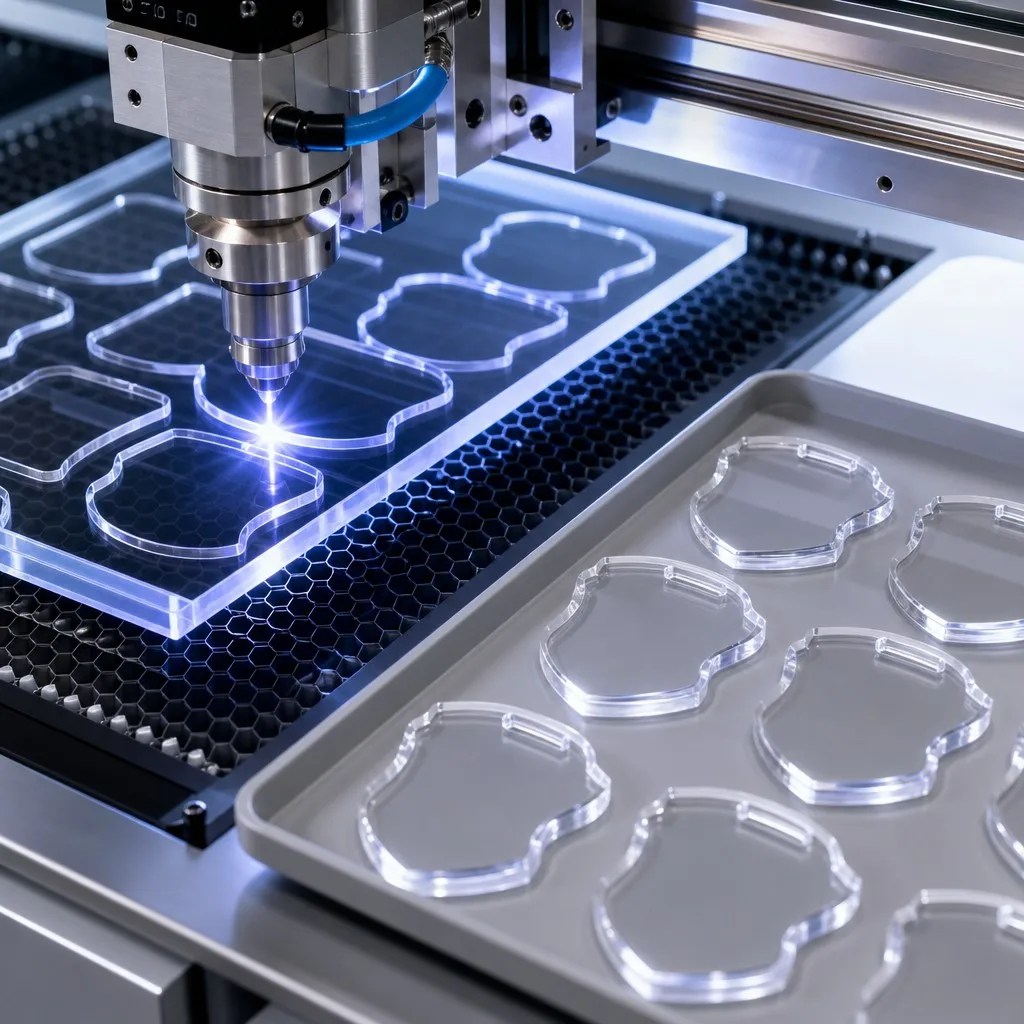
- Bespoke Silhouette Laser Contouring: Digital laser contouring effortlessly cuts custom organic silhouettes, hollow geometric cutouts, and interactive hanging charms without dedicated steel cutting dies.
- Sustainable Material Alignment: In response to strict corporate sustainability mandates across European and North American markets, top-tier manufacturers offer recycled PMMA options that support corporate environmental goals.
Scenario-Based Fastener Engineering
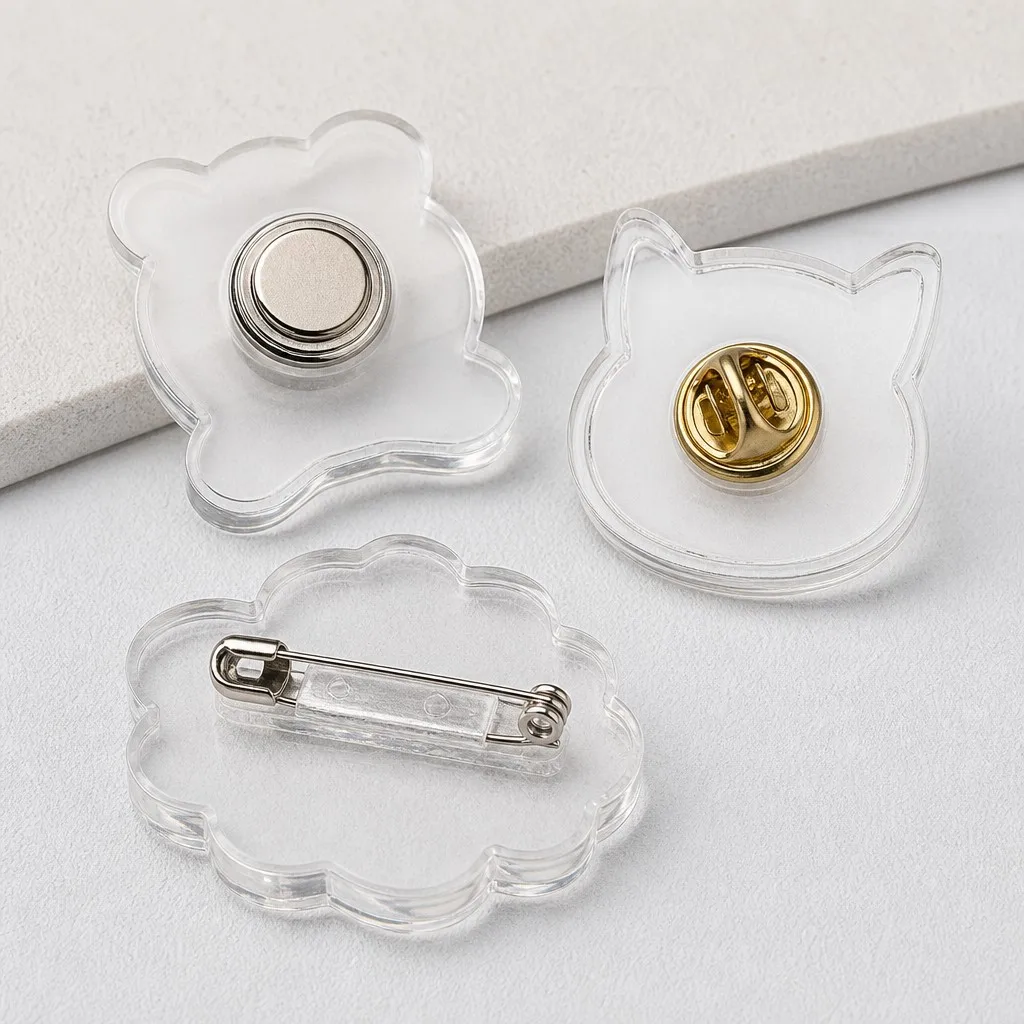
Customer requirements also diverge based on the end-user setting. For formal corporate galas and black-tie conferences, magnetic clasps prevent pin punctures on delicate tailored suiting. Conversely, dynamic fan conventions, university orientations, and retail merchandise lines favor dual butterfly clutches or reinforced safety pins that grip firmly onto canvas totes, denim apparel, and event lanyards.
Conclusion: Strategic Agility for Modern Brand Portfolios
A comprehensive customer badge demand analysis affirms that custom acrylic badges represent an essential, high-impact branding tool rather than an inferior economy substitute. By eliminating upfront tooling risks while offering photorealistic artwork fidelity and rapid delivery, acrylic merchandise delivers the optimal balance of expressive creative freedom and disciplined commercial practicality for forward-thinking enterprises.